
UN experts denounce Trump’s coercive brutalization of Cuban people
The UN experts said the blocking of oil imports to Cuba is “part of a disturbing trend of lawlessness and contempt of multilateralism and the UN Charter..."
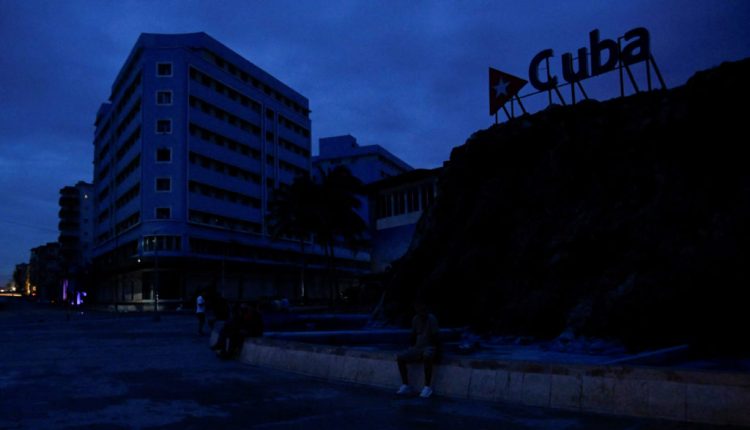
A trio of United Nations rights experts on Tuesday demanded that the US government “cease all threats” against Cuba and accused President Donald Trump of furthering a “disturbing trend of lawlessness” with preparations to attack the island nation; an indictment of its former president; and a protracted oil blockade that has left Cubans facing blackouts and a breakdown of their lauded healthcare system.
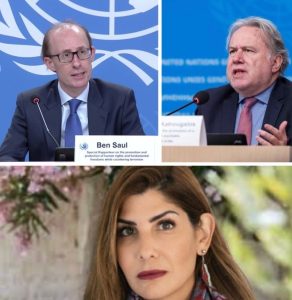
“Efforts to change the constitutional order of a sovereign state through threats and coercion echo colonial-era practices,” said George Katrougalos, independent expert on the promotion of a democratic international order; Zaina Jallad, special rapporteur on unilateral coercive measures; and Ben Saul, special rapporteur on counterterrorism and human rights.
 The experts pointed to Trump’s declaration of what’s become known as the Donroe Doctrine, “asserting US predominance over the Western Hemisphere” through military might, and his repeated comments regarding the possibility of taking over Cuba, whose communist government, Trump has said, has turned the country into a “failing nation.”
“Statements by the US president regarding the ‘honor of taking Cuba’ reflect a deeply concerning strategy of coercion against a sovereign state,” said the experts. “This assertion is not mere rhetoric, but part of a broader strategy involving the long-standing embargo on Cuba, its listing as a state-sponsor of terrorism, the recent fuel blockade, and the imposition of coercive measures on third parties.”
In January, Trump issued an executive order centered around the assertion—a laughable one, according to Cuban and international officials—that the country poses an “extraordinary threat” to the US, and warned other countries to stop providing oil to the island. The Trump administration had already cut off Cuba’s main energy source earlier that month when it abducted Venezuelan President Nicolás Maduro and took control of the country’s oil reserves.
The oil blockade—which Secretary of State Marco Rubio has recently denied the existence of—has left hospitals facing shortages of supplies and medicines, forced schools to cut hours, caused trash to pile up in streets as sanitation operations have struggled to continue, and left cities and towns across the country with just a few hours of electricity per day.
Rubio, the son of Cuban immigrants who left the country for the US years before Fidel Castro took power following the 1959 revolution, has long called for regime change in Cuba and has resisted efforts to normalize US-Cuban relations.
The UN experts said the blocking of oil imports to Cuba is “part of a disturbing trend of lawlessness and contempt of multilateralism and the UN Charter. The normalization of coercion and threats of regime change undermines the integrity of the entire international legal order.”
The experts also condemned the US indictment last month of former Cuban President Raúl Castro, which they said appeared connected to the administration’s “efforts to undermine Cuba’s sovereignty” and was characterized as a “misuse of domestic judicial proceedings.”
They also said that the indictment—“an instrument of coercive foreign policy”—represents “an abuse of process that violates the principles of sovereign equality and self-determination under the UN Charter.”
Additionally, the deployment of the USS Nimitz to the southern Caribbean, they said, contravenes articles 2(4) and 2(7) of the UN Charter, which, respectively, prohibit the threat or use of force and demand that the UN refrain from intervening in domestic affairs.
The experts called on UN member states to “refrain from recognizing or implementing measures that violate the principles of sovereign equality and non-intervention” and urged the UN Security Council and General Assembly to “urgently address the threats against Cuba as a matter affecting international peace and security.”
“A democratic and equitable international order,” they said, “requires that all states, regardless of size or power, participate on equal footing, free from undue pressure.”
