
The U.S.’s silent war at sea—and the dangerous erosion of law
Legal scholars, former military attorneys, and human rights experts have used strong language to describe these strikes—“extrajudicial killings,” even “murder.”
By any reasonable legal or moral standard, what the United States has done over the past nine months in the Caribbean and Eastern Pacific is not law enforcement; it is lethal force without accountability.
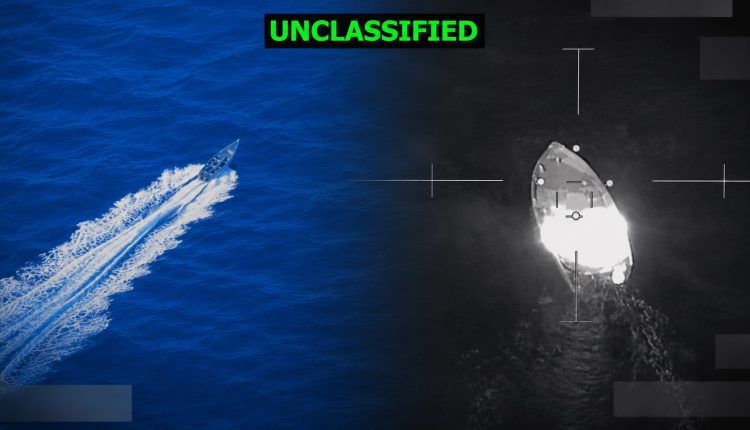
More than 200 people have been killed in U.S. strikes on small boats, many of them in waters near Venezuela and along routes historically linked to migration and informal commerce. The Trump administration justifies these actions by claiming they target drug trafficking. However, no convincing public evidence has been provided to show that the vessels destroyed were carrying narcotics or that those killed belonged to organized cartels.
This is a significant procedural breach. It strikes at the core of international law.
For decades, the United States approached drug interdiction as a law enforcement issue, mainly led by the Coast Guard. That approach was based on arrest, evidence, and due process. What has taken its place is something much more troubling: a de facto military campaign carried out outside any official battlefield, without congressional approval, and lacking the legal standards that regulate armed conflict.
Legal scholars, former military attorneys, and human rights experts have used strong language to describe these strikes—“extrajudicial killings,” even “murder.” Their concern is not hypothetical. International humanitarian law allows lethal force in armed conflict, but only under strict conditions. The U.S. government’s claim that it is “at war” with drug traffickers pushes those definitions beyond their limits.
The implications go far beyond the immediate victims. Service members assigned to carry out these strikes face a tough choice: follow orders that might be illegal or risk their careers and freedom by refusing. Reports that some have quietly sought legal advice highlight how serious the situation is. The widespread concern is that no one will be held accountable—especially if presidential pardons are used to protect those involved afterward.
This is how norms erode: not through dramatic declarations, but through repeated exceptions.
The geopolitical situation worsens the problem. While Washington loudly criticizes governments like Cuba and Venezuela for alleged human rights violations, it is also involved in actions that critics say break the very principles it claims to stand for. The contradiction is clear. If the United States wants others to follow international standards, it cannot exempt itself from those same rules.
Statements from officials, including Secretary of State Marco Rubio, emphasize that legal officers review each strike. However, legality is not simply a box to check during the operation. It is a framework that must determine whether such actions are allowed in the first place. Many experts argue they are not.
Perhaps most disturbing are reports of so-called “double-tap” strikes—attacks on survivors of an initial strike. If confirmed, such actions would violate one of the most important protections in the laws of war: the safety of the wounded and incapacitated.
Even if prosecutions never happen—and many believe they won’t—the long-term damage is already occurring. A generation of military members is being trained to accept legally questionable orders as normal. The line between lawful combat and illegal killing becomes blurry, then fades away.
History is unlikely to judge this episode kindly. The question is whether the United States will confront it now, while there is still time to reaffirm the principles it claims to uphold—or continue down a path where expediency overrides law and silence replaces accountability.
