
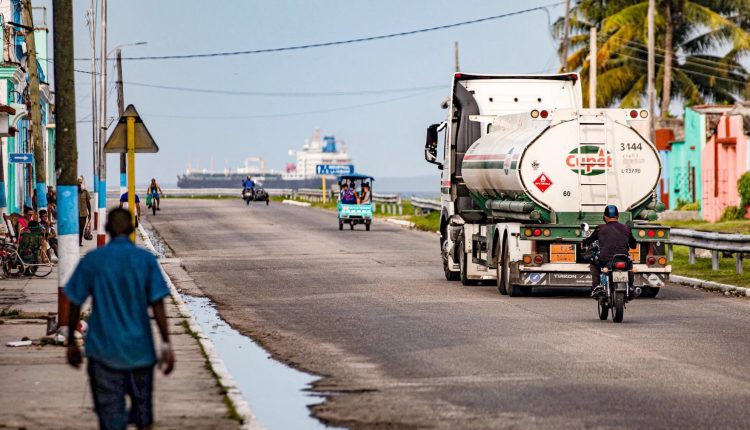
South Florida firm moves to expand fuel access for Cuba’s private sector
The agreement is described as the first of its kind and could pave the way for increased U.S. involvement in Cuba’s energy sector.
This article is based on reporting by the Miami Herald and Nora Gámez Torres.
A Coral Gables–based energy company has reached an important agreement to supply fuel to Cuba’s growing private sector, signaling a significant change in how energy might be distributed on the island.
The deal enables Vanguard Energy to lease storage facilities owned by Cuba’s state fuel company and to import gasoline and diesel using large oil tankers. The fuel will then be sold directly to private businesses and to humanitarian and religious organizations operating in Cuba.
This development follows a policy change earlier this year by the Trump administration, which authorized certain fuel exports to Cuba without requiring a special license, as long as the fuel is intended for private economic activity or individual use.
Until now, Vanguard had been delivering fuel using ISO tanks—specialized containers with limited capacity. While effective, that method proved costly and inefficient. Shipping fuel in large tankers and storing it locally is expected to significantly increase volume while lowering costs.
According to company officials, the arrangement allows Vanguard to retain ownership of the fuel while it is stored on the island. The company will sell only to vetted customers, including entities such as the U.S. Embassy in Havana, and payments will be handled outside Cuba’s financial system to comply with U.S. regulations.
The agreement is described as the first of its kind and could pave the way for increased U.S. involvement in Cuba’s energy sector. It also comes at a crucial moment, as Cuba faces a severe fuel shortage that has led to widespread economic disruption and extended power outages.
Cuba’s challenges in securing fuel have worsened in recent months. Shipments from major allies have decreased, leaving the government struggling to meet demand. In this situation, the new arrangement might provide limited but meaningful relief—especially for private businesses and aid organizations.
Legal advisors involved in structuring the deal emphasize that strict compliance measures are in place. These include thorough vetting of customers, monitoring of distribution, and safeguards to prevent fuel from being diverted to state entities or sanctioned organizations.
Nevertheless, challenges persist. Analysts highlight that preventing fuel sold to private buyers from entering government channels will be crucial for staying compliant with U.S. law. How well Vanguard manages this risk could determine whether similar ventures are undertaken in the future.
Despite the uncertainties, the agreement could be a significant step in expanding Cuba’s private market—potentially changing how vital resources like fuel are distributed across the island.
