
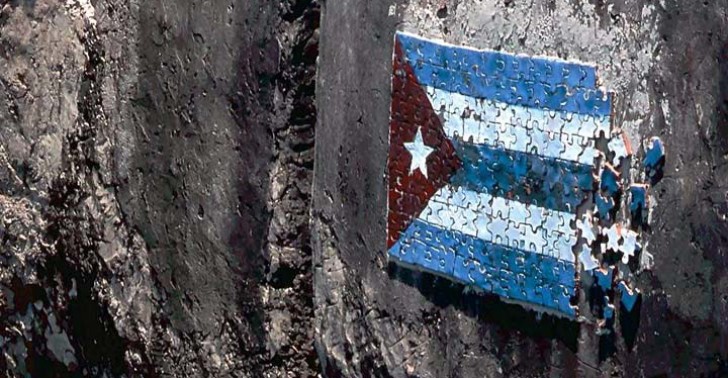
Cuba 2026: An economy under siege, a nation still standing
“The worthy are more than those who consider themselves worthy!” – José Martí
Cuba approaches 2026 battered but unbroken. Years of tightening U.S. sanctions, pandemic aftershocks, inflation, and energy shortages have converged with a new regional shock: the U.S. military intervention in Venezuela. For an island long linked to Caracas through energy and trade, the disruption has been severe. Yet once again, predictions of Cuba’s collapse overlook a central truth—pressure has never extinguished Cuban resilience.
The economic crisis is undeniable. Power outages, fuel shortages, and declining purchasing power shape daily life. Growth has stalled or contracted for several years. The loss of Venezuelan oil deliveries exposed vulnerabilities that Havana can no longer ignore. But Cuba’s predicament is not simply the result of economic mismanagement; it is the cumulative result of sustained external coercion.
The international legal context matters. As a United Nations Special Rapporteur has stated plainly, “Unilateral sanctions are incompatible with international law, international humanitarian law, and the Charter of the United Nations.” Cuba’s hardships are inseparable from a sanctions regime designed not to reform its economy but to exhaust its society.
The destabilization of Venezuela has intensified short-term pain, particularly in the energy sector. Electricity shortages ripple outward, disrupting transportation, food storage, industry, and tourism. But the crisis has also forced strategic clarity. Cuba is accelerating long-delayed efforts to diversify energy sources through solar, wind, and biomass projects, often in partnership with non-Western allies. These initiatives will not produce miracles overnight, but they represent something more durable: progress toward energy sovereignty.
If Cuba manages even modest growth in 2026—projected by authorities at roughly 1 percent—it will not be a story of recovery through abundance, but rather one of adaptation.
The island’s greatest asset remains its human capital. Decades of investment in education, healthcare, and science have produced globally recognized strengths in biotechnology, pharmaceuticals, and medical services. These sectors generate hard currency and sustain something less measurable yet more vital: national confidence.
As South African anti-apartheid leader Steve Biko once observed, “The most potent weapon in the hands of the oppressor is the mind of the oppressed.” Cuba’s endurance has relied on resisting not only material deprivation but also psychological defeat. Schools, clinics, and laboratories serve as economic engines—and as quiet acts of defiance.
Tourism continues to provide critical foreign exchange, though recovery has been uneven. Infrastructure constraints and energy instability limit growth, yet international interest remains strong. Remittances from the Cuban diaspora help sustain families and informal enterprises, even as political barriers restrict broader engagement. Looking ahead, deeper South-South cooperation—across Latin America, Africa, and Asia—offers Havana alternatives to Western financial systems that remain largely closed.
The U.S. intervention in Venezuela has also revived concerns about regional militarization. A direct invasion of Cuba remains unlikely given diplomatic costs and global scrutiny, but coercion has long been a lived reality for the island. Cuba’s most effective defense lies not in escalation but in legitimacy: diplomacy grounded in international law, regional solidarity, and civilian resilience.
Civil defense, disaster preparedness, decentralized energy systems, and robust public services strengthen security without inviting conflict. Economic reform, energy independence, and peace are not separate challenges—they are the same struggle, seen from different angles.
In 2026, Cuba will not be prosperous by conventional standards. Scarcity will persist. Reforms will be contested. Emigration will continue straining the social fabric. But collapse is not the same as hardship, and surrender is not the same as reform.
For more than six decades, Cuba has insisted on a principle increasingly rare in global politics: that small nations retain the right to choose their own path. Its economy today reflects both the cost of that insistence and its value. Despite sanctions, shocks, and shifting alliances, Cuba continues not because it is immune to pressure but because it refuses to internalize it.
History suggests that endurance, rather than submission, remains Cuba’s most underestimated resource.
