
Cuba’s mosquito-borne health emergency
Cubans describe entire families bedridden at once, clinics overwhelmed, and pharmacies unable to meet demand.
Cuba is confronting one of its most severe public-health crises in decades as simultaneous outbreaks of Dengue and Chikungunya sweep across the island. What began as a seasonal rise in mosquito activity has evolved into a nationwide emergency, exposing deep structural weaknesses in the country’s health and sanitation systems.
In recent months, hospitals and clinics have reported surging caseloads of both viruses, with outbreaks touching every province. Officially recorded deaths continue to climb, and health professionals warn that the true figures likely exceed those reported. Children have been among the hardest hit, making up a disproportionate share of severe cases and fatalities.
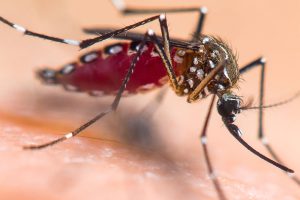
At the center of the crisis is the Aedes aegypti mosquito, a familiar adversary in the Caribbean. Yet this year, conditions for its spread are exceptionally favorable. Weeks of heavy rain, widespread garbage accumulation, chronic water shortages, and unreliable waste-collection services have created ideal breeding grounds. Neighborhoods in Havana, Santiago, and provincial towns report near-constant mosquito swarms, with many residents falling ill at the same time.
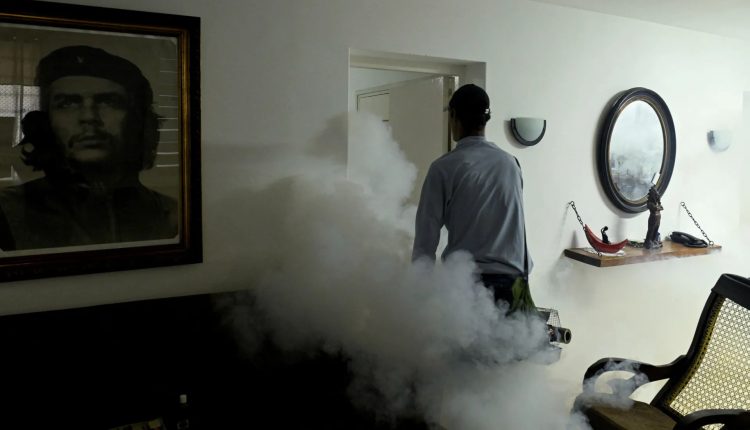
The health emergency is compounded by economic strain. Fumigation brigades, once a reliable part of Cuba’s public-health defense, now operate with shortages of fuel and insecticides. Clinics struggle to maintain stocks of basic medical supplies, from IV fluids to fever reducers. For many households, even obtaining repellents or securing screened windows is difficult. As a result, prevention efforts have faltered at every level.
The social toll is unmistakable. Cubans describe entire families bedridden at once, clinics overwhelmed, and pharmacies unable to meet demand. Stories circulate of patients turned away from emergency rooms or advised to manage symptoms at home due to overcrowding. Anxiety is widespread, not only about the viruses themselves but about the erosion of the state’s once-celebrated public-health capacity.
The government has urged communities to eliminate standing water and participate in sanitation efforts, but these appeals collide with daily realities: inconsistent water delivery, failing infrastructure, and resource scarcity. Public frustration has mounted, with many residents attributing the scale of the crisis to official neglect and long-term deterioration of basic services.
Beyond Cuba’s borders, the outbreak serves as a warning for the region. Mosquito-borne diseases are resurging across Latin America and the Caribbean as climate fluctuations, migration, and uneven public-health funding increase vulnerability. Cuba’s situation illustrates how quickly such illnesses can overwhelm systems already strained by economic pressures.
For travelers, health agencies now advise strict mosquito precautions, including protective clothing, repellents, and staying in air-conditioned lodging. But for Cubans, the crisis is a daily battleground—one that will require sustained resources, transparency, and the rebuilding of public health infrastructure to overcome.
Cuba has weathered epidemics before, yet the current convergence of disease, economic instability, and environmental decline presents a uniquely difficult challenge. Without significant intervention, the island risks turning a seasonal threat into a persistent national emergency.
