
Cuba struggles to survive—and turns to the sun
Cuba is facing an energy crisis that threatens to deepen the suffering of its people. Fuel shortages are crippling transportation, disrupting electricity, and contributing to shortages of medicine and other necessities, leaving the island struggling to keep its economy functioning.
The Trump administration’s escalating restrictions on oil supplies have worsened an already difficult situation. After cutting off Venezuelan oil shipments and threatening tariffs on countries that supply fuel to Cuba, Washington has tightened the screws on an island that has endured a U.S. economic embargo for more than six decades.
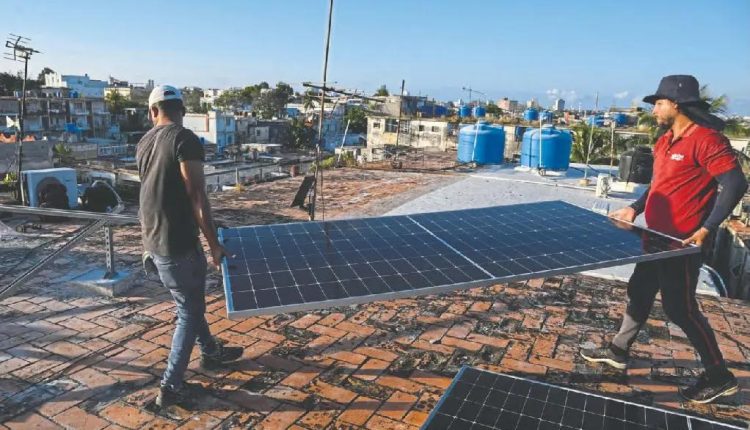
But Cuba is not simply sitting in the dark. It is looking toward the sun.
In a Reuters interview, Cuban Energy and Mines Minister Vicente de la O Levy said the country is seeking alternatives using its own resources, including solar power, wind, and domestic oil and natural gas. He said Cuba has installed 144 solar farms with a combined capacity of about 1,418 megawatts. (Cuba’s electricity demand during peak hours is about 3,300 megawatts.)
Meanwhile, China has become a major supplier of solar panels, helping Cuba expand its renewable-energy capacity even as access to conventional fuel remains severely constrained.
The challenge is enormous. Cuba’s aging electrical grid remains heavily reliant on fossil fuels, and renewable energy still accounts for only a small share of its overall energy consumption. Solar farms cannot solve the crisis overnight, especially given the country’s lack of resources to modernize its entire electrical system.
The Associated Press and Reuters have both reported on the mounting pressures on Cuba’s energy supply and the consequences for ordinary Cubans. The crisis is about more than geopolitics: it means prolonged blackouts, difficulty cooking meals, disrupted transportation, and growing hardship for families already struggling to get by.
De la O Levy acknowledged the difficulties to Reuters, saying, “We are surviving and moving forward, little by little, even if not at the pace we would like.”
That is hardly a declaration of victory. It acknowledges how difficult survival has become.
No doubt that the island has serious economic problems, and its political system deserves scrutiny. But punishing a government and inflicting additional hardship on an entire population are not the same thing.
When energy supplies are restricted, the consequences do not fall primarily on political leaders. They fall on patients who need medical care, families who cannot keep food refrigerated, workers who cannot get to their jobs, and elderly people enduring hours without electricity.
The question Washington should answer is simple: What is the ultimate objective of a policy that makes everyday life more precarious for millions of Cubans?
If the goal is a more prosperous, stable, and free Cuba, deepening an energy crisis may be counterproductive. A population struggling to secure food, medicine, and electricity is not necessarily closer to democracy.
Cuba’s turn toward renewable energy offers a practical lesson, regardless of one’s opinion of its government: countries must find ways to reduce their vulnerability to disruptions in imported fuel supplies. Solar power will not resolve Cuba’s political or economic problems, but it could help reduce its dependence on outside suppliers.
For now, Cubans are trying to move forward amid extraordinarily difficult circumstances. The Cuban government bears responsibility for many of its decisions, no doubt, but the United States must also confront the humanitarian consequences of its policies.
The Cuban people should not have to choose between enduring a failing energy system and being caught in an economic struggle among governments. They deserve electricity, medicine, food, and the opportunity to determine their own future.
And if the sun can help light their homes, perhaps Washington should consider whether its policy is helping solve Cuba’s problems—or making them worse.
