
Cuba plunges into darkness again
The blackout, confirmed by Cuba’s state-run Unión Eléctrica (UNE), is the latest chapter in a deepening energy and economic crisis.
For the fourth time in less than a year, Cuba has been plunged into complete darkness. On the evening of September 10, 2025, the island’s electrical grid collapsed once again, cutting power to nearly all of the country’s 11 million residents. From Havana’s colonial core to rural provinces like Granma and Santiago, life ground to a halt as entire cities fell silent and dark, illuminated only by candlelight and the occasional flicker of battery-powered radios.
The blackout, confirmed by Cuba’s state-run Unión Eléctrica (UNE), is the latest chapter in a deepening energy and economic crisis that has left the country’s infrastructure teetering on the edge of collapse. Power generation across the island has become increasingly unstable as aging plants fail, fuel runs short, and spare parts become impossible to source—conditions exacerbated by decades of U.S. sanctions and a near-total lack of foreign investment.
“A Nation Held Together by Duct Tape”
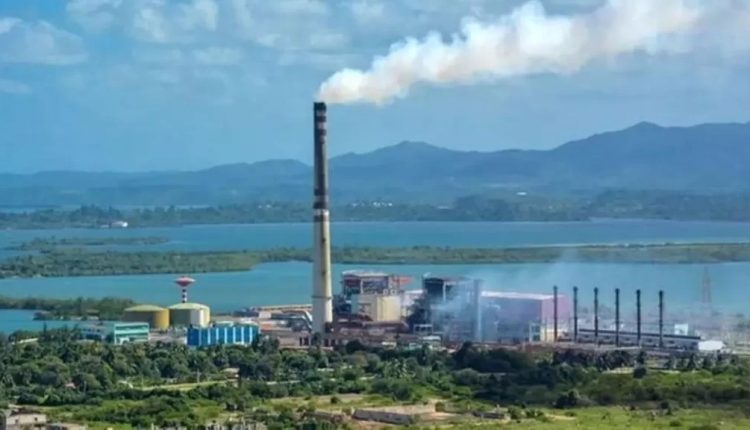
The current blackout is widely believed to have originated with a failure at the Antonio Guiteras thermoelectric plant, the largest in Cuba. The plant, which has been operating well past its intended service life, has suffered repeated breakdowns over the past year. A cascading failure quickly rippled through the rest of the national grid, which lacks the resilience or redundancy to isolate and contain outages.
One Cuban engineer who requested anonymity described the national power grid as “a nation held together by duct tape and prayers.” The grid’s fragility has been an open secret for years, but recent economic conditions have pushed the system to its breaking point.
Years of underinvestment, coupled with an acute lack of maintenance materials, have left power plants corroding and sub-stations crumbling. Most of Cuba’s thermoelectric plants were built between the 1960s and 1980s, and several now operate at less than 30% of capacity.
Economic Collapse Fuels Energy Woes
Cuba’s economic situation in 2025 is dire. The country is experiencing its worst financial crisis since the so-called “Special Period” of the 1990s, following the fall of the Soviet Union. Tourism, once a critical lifeline, has struggled to recover from a prolonged downturn exacerbated by global inflation, pandemic aftershocks, and tightened travel restrictions from the United States.
With dwindling foreign currency reserves, Cuba has been unable to purchase sufficient diesel or heavy fuel oil to power its generators, relying instead on intermittent deliveries from allies such as Venezuela and Russia—shipments that are becoming increasingly sporadic and insufficient.
Rolling blackouts and fuel shortages have become a daily reality. Public transportation is unreliable, refrigerated food spoils routinely, and hospitals struggle to maintain basic services. For many Cubans, this latest total blackout is simply confirmation of what they’ve long suspected: the state is no longer capable of keeping the lights on.
U.S. Embargo: A Persistent Barrier
The long-standing U.S. trade embargo remains a critical obstacle to Cuba’s energy stability. It not only blocks access to American technology and investment, but also deters foreign companies—fearful of U.S. sanctions—from doing business with the island.
Cuban officials cite the embargo as a primary reason they cannot import vital spare parts, advanced tools, or even the software necessary to modernize their grid. “We cannot replace 50-year-old circuit breakers with good intentions,” said a frustrated worker at a Havana utility, also speaking anonymously due to fear of reprisal.
Critics of the embargo argue that continuing the policy in the face of humanitarian consequences is not only cruel but counterproductive. “This isn’t about politics anymore—it’s about human suffering,” said Dr. Elena Torres, a Cuban-American energy analyst based in Miami. “Every blackout isn’t just a technical failure; it’s a failure of international policy.”
Daily Life in the Dark
In Havana, residents scrambled to prepare for another night without electricity. Cell phones were charged in cars, water was boiled on makeshift wood stoves, and candles—now a household essential—were rationed carefully.
“We’re used to this now,” said Marisol, a 42-year-old mother of two in Havana’s Vedado neighborhood. “But it doesn’t mean we’re OK. My kids can’t study, we can’t refrigerate food, and no one knows when it will end.”
Hospitals and critical infrastructure have turned to backup generators, many of which are also operating on fumes. In the countryside, where access to fuel and supplies is even more limited, communities are increasingly isolated and vulnerable.
A Bleak Outlook
Despite government assurances that crews are working “around the clock” to restore power, few Cubans hold out hope for a swift resolution. After four total blackouts in a year—and countless smaller outages—confidence in the system is all but gone.
In a rare moment of candor, a UNE spokesperson acknowledged the “very complex” challenges facing the country’s energy sector, citing lack of funding, old infrastructure, and external pressures.
International humanitarian organizations are calling for emergency aid and a reconsideration of sanctions that directly affect energy and medical infrastructure. But with political tensions high and diplomatic channels strained, few expect meaningful change soon.
For now, Cuba remains in the dark—both literally and figuratively—its future uncertain, its people resilient but weary, and its grid a fragile thread holding a beleaguered nation together.
