
Cuba in 2025: Resilience amid crisis — a year in review
The year exposed enduring economic fragility, widespread energy and food challenges, and external pressures that complicate recovery.
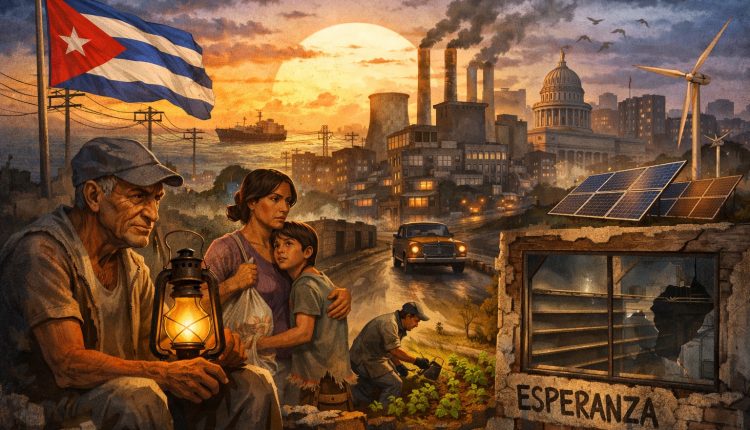
Cuba entered 2025 facing one of the most challenging periods in its recent history. Yet despite economic contraction, energy blackouts, and rising food insecurity, ordinary Cubans and policymakers alike showed resilience and a commitment to preserving social well-being and national sovereignty.
A Fragile Economy in Motion
The Cuban government acknowledged yet another year of economic contraction, highlighting the persistence of structural problems that have long dogged the island. Official figures released in mid-2025 confirmed that the economy shrank again in 2024, reinforcing the view that “what is currently entering the country is not enough” to meet basic needs such as fuel, food, and infrastructure maintenance.
Indeed, the economy has struggled to rebound from years of decline. Statistics reveal a pattern of reduced output, declining industrial production, and weakened tourism — once a cornerstone of Cuba’s foreign earnings. Weak performance in key sectors such as agribusiness and construction constrained growth, even as projections for a slim 1% GDP increase were floated.
Despite these headwinds, Cuba’s leadership remained focused on stabilizing the situation, and at the Sixth Ordinary Session of the National Assembly, Economy and Planning Minister Joaquín Alonso outlined priorities for 2026, including boosting national production and increasing foreign exchange earnings while strengthening social policies.
Inflation, Purchasing Power, and Daily Life
Inflation continued to impact everyday life in 2025. At the beginning of the year, inflation surged, with monthly rates that, when annualized, climbed toward 30%. Cuban economist Pedro Monreal remarked that inflation “has been climbing for five consecutive months, indicating a situation spinning out of control.”
Rising food prices — driven by agricultural shortfalls and global cost pressures — struck at household budgets. While the government has sought to protect core subsidies, many Cubans faced tighter access to staple foods and essential goods.
Energy: The Year of Blackouts![]()

If 2025 had a defining theme, it was energy scarcity. Cuba endured prolonged blackouts throughout the year, a stark manifestation of deeper infrastructure problems and fuel supply gaps. At times, outages lasted 20 hours or more in affected provinces.
Persistent energy deficits hit industrial and agricultural productivity alike. Crops went unharvested when irrigation systems stalled, and factory floors stood silent during long power cuts. Tourism — already reeling from other challenges — lost further appeal in cities overshadowed by darkness.
International reporting underlined the severity of the crisis, noting that rolling blackouts “have decimated productivity and tested the patience of … exhausted residents.”
Cuba’s reliance on external fuel sources — particularly from allies such as Venezuela — made it vulnerable to regional geopolitics. Actions such as U.S. seizures of oil tankers heading to Cuba added uncertainty to energy imports, threatening to worsen an already tenuous situation.
Food Security: Persistent Strains
Food availability remained a major concern in 2025. Decades of agricultural production declines left Cuba still heavily dependent on imports to meet basic food needs. Historical data suggested that hundreds of thousands of metric tons of grain were needed annually to fill gaps in domestic output.
Domestic food prices were a significant driver of inflation, underlining that access to affordable nourishment remained uneven across the island. Although Cuba imports food from various partners, including legally from U.S. markets under current law, supply bottlenecks and purchasing power shortfalls meant that many communities continued to experience scarcity.
Social Fabric and International Pressures
Beyond economics and energy, Cuba faced ongoing geopolitical pressures. The United Nations General Assembly once again condemned the U.S. embargo, calling the continued restrictions an obstacle to progress.
A UN rapporteur described the impact of sanctions as “suffocating the social fabric of Cuban society,” reflecting how external policies reverberate through daily life on the island.
At home, religious and civic voices called for constructive change. Cuban bishops, for instance, urged economic and political reforms, asserting that “we cannot continue on this path … we need to do something to save Cuba and restore our hope.”
Strength Amid Struggle: Cultural and Community Resilience
Despite persistent challenges, Cuban society remained vibrant. Neighborhood networks, grassroots ingenuity, and community solidarity helped families cope with shortages and uncertainties. Cuban artists, educators, and volunteers continued to celebrate cultural heritage, even as they navigated electricity outages and resource constraints.
Efforts to strengthen renewable energy capacity — part of a longer-term national strategy — suggested a vision for a future less dependent on fluctuating oil shipments. The United Nations noted Cuba’s plan to increase the share of electricity generated from renewable sources to 30% by 2030, a step toward structural resilience.
Looking Ahead
As 2025 draws to a close, Cuba stands at a crossroads. The year exposed enduring economic fragility, widespread energy and food challenges, and external pressures that complicate recovery. At the same time, government planning, community solidarity, and ongoing efforts toward economic and energy reform offer reasons for cautious optimism.
In the words of one Cuban economist grappling with the nation’s realities, the journey ahead will require both “stabilization of existing imbalances” and a concerted effort to build domestic capacity and resilience.
Cuba’s story in 2025 is not merely one of struggle — it is also a testament to persistence, adaptation, and an enduring belief in a future shaped by the island’s own people and aspirations.
