
Concerns grow in Washington about Trump’s (illegal?) Venezuela operations
Internal U.S. intelligence assessments have previously questioned some of the administration’s public claims.
WASHINGTON — Growing concern is spreading throughout Capitol Hill over the opaque nature of recent U.S. lethal strikes on suspected Venezuelan drug-smuggling vessels, and new revelations that the Trump administration has secretly authorized the Central Intelligence Agency to conduct covert operations in Venezuela are fueling increased scrutiny.
In congressional offices across both parties, lawmakers have expressed frustration with the administration’s reluctance to share key intelligence, video evidence, or legal justifications for the Caribbean operations, sources tell NBC News. Meanwhile, The New York Times reports that a classified “presidential finding” now grants the CIA authority to conduct lethal actions on Venezuelan soil if necessary — a move that marks a sharp escalation in U.S. activity toward the Maduro regime.
Congressional Frustration over Strikes
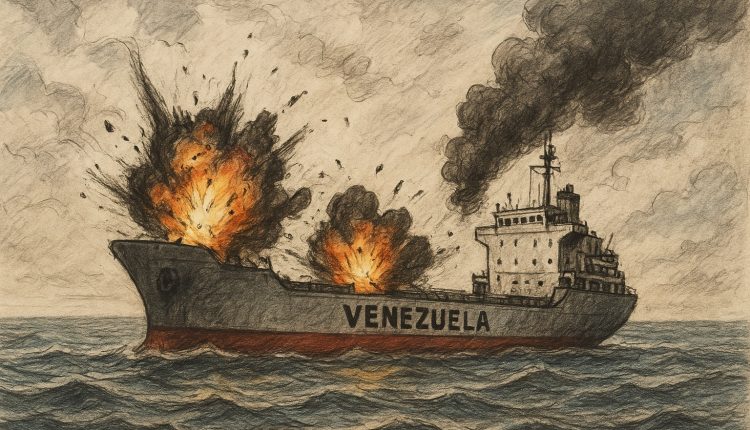
Since early September, President Donald Trump has ordered at least five military strikes against vessels alleged to be moving drugs from Venezuela toward U.S. shores. According to administration statements, 27 people have died in those operations.
But behind the scenes, lawmakers who attended classified briefings say the information they received was vague and unsatisfying. Both Republicans and Democrats reportedly left with unresolved questions about how the targets were chosen, what intelligence suggested they were traffickers, and whether American citizens were at risk.
One congressional source told NBC News that Republican lawmakers were “mad” after briefing officials could not satisfactorily explain the legal basis for the operations. Some members have pressed the administration for unedited video of the strikes to better assess whether targets were correctly identified and to discern the conditions under which force was used.
Pentagon and White House officials say they have held six classified briefings over the past month and emphasize that members of Congress have been “fully informed” about policy, operational details, and legal authorities. However, multiple congressional sources argue that the briefings left them with more questions than answers.
Some lawmakers are also examining the possibility that the strikes could trigger retaliation within the United States, particularly from drug trafficking groups they say might not have been fully considered.
In a high-stakes vote, Congress last week rejected (51–48) a measure that would have required the administration to get congressional approval before launching more strikes. Only Senators Rand Paul (R-Ky.) and Lisa Murkowski (R-Alaska) sided with most Democrats in supporting that requirement. Senator Paul argued that the administration must make public the evidence and identities of those targeted before authorizing lethal force.
Another GOP senator, Todd Young (R-Ind.), voted against the resolution but expressed concern about the operation’s legality and how the administration is deploying resources in the Caribbean — assets that critics argue might be needed elsewhere, such as to counter Chinese influence in the Pacific.
On the Democratic side, more than 20 senators sent a letter to the White House demanding the legal assessments supporting the strikes and explanations about the criteria for choosing targets. According to Sen. Tim Kaine’s office, the letter remains unanswered. Senator Elissa Slotkin (D-Mich.) also pressed the Pentagon during hearings to reveal which drug groups are now considered adversaries, and asked for transparency regarding what she called a possibly “secret list” of terrorist designations.
Covert CIA Mandate: A Quiet Escalation
In a move that fuels further controversy, the Trump administration has quietly authorized the CIA to conduct covert operations in Venezuela, including the possible use of lethal force. That decision, reported by The New York Times, indicates a stronger commitment to pressuring Nicolás Maduro’s government.
Under this classified “presidential finding,” the CIA may operate unilaterally or in coordination with military forces to counter the Maduro regime or affiliated groups — for example, the administration has publicly connected the Venezuelan gang known as Tren de Aragua to illicit activity and alleged ties with government officials.
President Trump publicly confirmed the covert authorization, stating the U.S. is now considering strikes on land as well as at sea: “We are certainly looking at land now, because we’ve got the sea very well under control,” he told reporters.
That indicates a possible shift from public claims that the maritime strikes happened in international waters. Moving onto land would increase the risk of civilian casualties and escalate legal and diplomatic repercussions.
The CIA’s expanded role supports military planning. U.S. forces in the Caribbean are substantial: about 10,000 troops are based in the region — mostly in Puerto Rico — with a Marine detachment aboard amphibious ships, backed by a fleet of naval vessels and a submarine.
Typically, covert CIA operations are kept out of the public eye; they depend on secrecy and limited disclosure. Still, some have become known — like the 2011 raid that killed Osama bin Laden. The existence of a presidential finding is seldom made public, and those who are briefed cannot reveal classified information.
In justifying this deeper involvement, the administration has argued that cartel organizations are “nonstate armed groups” involved in attacks on the U.S. Indeed, the administration has claimed that it now considers itself at “armed conflict” with some traffickers, drawing comparisons to counterterrorism frameworks.
However, internal U.S. intelligence assessments have previously questioned some of the administration’s public claims. For example, U.S. spy agencies reportedly refused to conclude that Maduro’s government was running Tren de Aragua. The administration, in turn, has sought revisions or reinterpretations of these assessments.
Is the U.S. provoking a war with Venezuela under the guise of anti-drug operations?
Legal, Political, and Strategic Crossroads
Together, the maritime strikes and the covert authorization put the U.S. at a sensitive legal and strategic crossroads. If forces are used on land within Venezuelan territory, what protections are available for civilians, and how much oversight will Congress have?
Some members of Congress already believe parts of the campaign may breach international or constitutional law. Whether it’s lethal targeting of vessels in international waters or covert operations abroad, the administration’s legal framework is under close examination.
Republicans — including those who generally support the administration — have expressed concerns about the lack of transparency. Democratic critics caution against unchecked executive power.
The outcome concerns not only oversight and transparency but also the future of U.S. policy toward Venezuela. The Trump administration and some allies see regime change as the primary goal — supported by military, intelligence, and diplomatic efforts.
The stakes include U.S. domestic safety, regional stability, and geopolitical positioning. Human rights organizations and foreign governments will almost certainly raise concerns if operations go beyond sea lanes or if civilian harm becomes evident.
Currently, congressional leaders remain dissatisfied. Many believe that unedited video of the boat strikes, detailed intelligence disclosures, and full legal memoranda should be made available—at least in classified form—so that the people’s representatives can properly assess the administration’s actions.
Until then, the pressure from Capitol Hill is increasing, and the questions about these deadly operations will keep demanding answers.
