
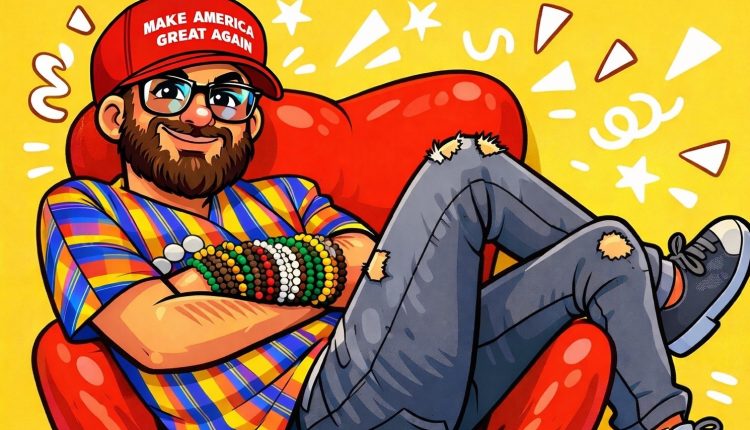
Alex Otaola: The Miami clown turning democracy into a spectacle
Long before he filed to run for office, Otaola cultivated a persona deeply tied to the Donald Trump political ecosystem.
There’s political activism, and then there’s what Alexander “Alex” Otaola has turned Miami-Dade politics into: a rolling reality-TV-style spectacle fueled by hyper-partisan rhetoric, legal turmoil, and an obsession with celebrity over substance. From YouTube commentator to failed mayoral candidate to leader of an ill-founded recall effort, Otaola’s trajectory says less about civic leadership and more about performance politics run amok.
Otaola’s most recent political gambit — leading a petition to recall Miami-Dade Mayor Daniella Levine Cava — has been dismissed by her office as a “political sideshow.” The recall drive follows his resounding third-place finish in the 2024 mayoral race, in which he captured roughly 12% of the vote against Levine Cava’s commanding reelection victory.
A Trump-Aligned Personality, Not a Public Servant
Long before he filed to run for office, Otaola cultivated a persona deeply tied to the Donald Trump political ecosystem. He not only organized caravans in Miami supporting Trump’s Cuba policies but also publicly aligned his brand with Trumpism and conservative political causes — even attending Trump’s presidential inauguration, an event he proudly cited as validation of his political relevance.
His base isn’t rooted in local municipal concerns but in national culture wars: anti-communism, anti-Democrat grievance, and Trump-aligned talking points. This broader alignment with national partisan currents shapes his politics more than any demonstrated understanding of county governance.
A Pattern of Legal Headaches — and Noise Over Substance
Otaola’s public life has not been free of legal conflict — and while some cases were dismissed, the sheer volume of controversies surrounding him underscores a persistent pattern of legal trouble and combative behavior:
• Defamation and civil lawsuits. Otaola has been sued multiple times for defamation and related claims. In a recent case, a former ally alleges that Otaola orchestrated a sustained smear campaign that falsely accused him of serious misconduct, damaging his business and reputation.
• Former campaign treasurer arrested — and case dropped. During his mayoral run, Andy Santana, Otaola’s campaign treasurer, was arrested on charges of illegal sexual activity with a minor, a felony that could have carried decades in prison. Otaola publicly distanced himself from the situation, but the case cast a cloud over his campaign. Prosecutors ultimately dropped the charges after the accuser recanted, saying his initial claim was made under pressure. The case remains a point of controversy and public scrutiny.
• Multiple lawsuits brought by Otaola were dismissed. Otaola himself has filed lawsuits against other influencers and critics, at least one of which was dismissed by a Miami-Dade court for procedural issues (such as untranslated evidence), though he vowed to appeal.
• Civil complaints and restraining orders. Otaola faced a civil stalking complaint in Miami-Dade that was dismissed for lack of evidence; during the case, a temporary restraining order required him to surrender firearms.
While many of these legal actions don’t amount to criminal convictions, they collectively paint a picture of someone frequently embroiled in disputes and contentious conduct — whether as a plaintiff, defendant, or public spectacle — rather than someone focused on public policy or governance.
A Recall Effort Rooted in Nonsense
This backdrop of theatrical legal battles fuels Otaola’s current recall effort against Levine Cava. Rather than presenting clear, evidence-based grievances about mismanagement or corruption, the recall narrative relies on broad complaints amplified by social media outrage and partisan grievance channels. This isn’t grassroots accountability — it’s political theater borrowed from national culture wars and repackaged for local politics.
Miami-Dade faces real challenges — from housing affordability to climate resilience — that demand sober, thoughtful leadership. Instead, Otaola has offered spectacle, noise, and another dose of nationalized gridlock imported into local governance.
Miami-Dade deserves better than viral outrage masquerading as civic engagement. When local politics is reduced to public feuds, lawsuits, and ill-fated recall bids fueled by partisan branding, democracy suffers — and ordinary residents pay the price.
