
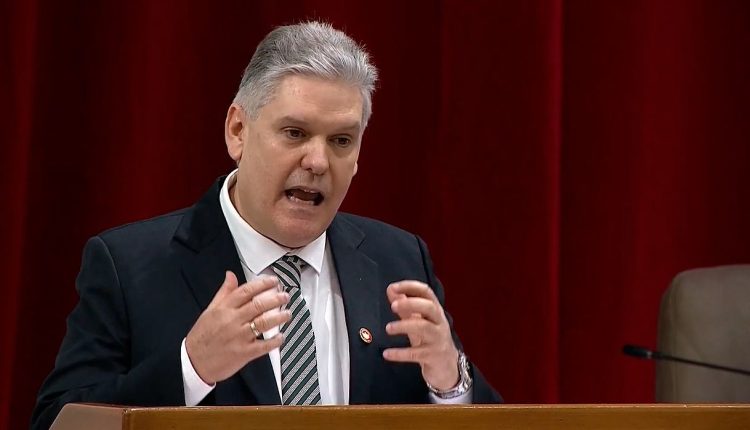
Alejandro Gil case concludes with life sentence
Cuba’s Supreme Popular Tribunal has handed former Economy and Planning Minister Alejandro Gil Fernández a life sentence, concluding one of the most consequential political and judicial episodes on the island in more than a decade. The verdict marks the fall of a once-trusted insider who helped shape key aspects of Cuba’s recent economic policy.
Gil, who served as economy minister from 2018 to 2024 and simultaneously held the post of vice prime minister, was convicted in a closed-door trial on charges including espionage, corruption, bribery, and the mishandling of classified state information. A second, related judgment added an additional 20-year sentence for financial crimes such as tax evasion, forgery of public documents, and influence-peddling. The sentences will run concurrently.
According to official statements, the court found Gil guilty of obtaining, damaging, and improperly sharing state documents, including materials considered sensitive to national security. Prosecutors argued that his actions made confidential information accessible to “enemy services,” although the government did not identify which foreign actors were allegedly involved. The tribunal also cited misappropriation of official documents and actions deemed harmful to economic contracting, alongside a pattern of ongoing bribery uncovered in the second phase of the investigation.
Beyond imprisonment, the ruling ordered the confiscation of Gil’s assets and stripped him of civil and political rights, ending any possibility of returning to public office.
Gil’s rise and fall unfolded against the backdrop of one of the most challenging economic periods in Cuba’s recent history. As economy minister, he became the public face of the government’s 2021 monetary reforms, including the unification of the country’s dual-currency system. Supporters argued the measures were long overdue; critics contend they intensified inflation, shortages, and distortions in the state economy. His removal from office in early 2024 was announced abruptly, with the government citing “serious mistakes” but providing no further explanation at the time.
The secrecy surrounding the trial has prompted international attention and internal speculation. No independent press or foreign observers were allowed in the courtroom, and Cuban authorities released only general descriptions of the evidence presented. The government defended the closed proceedings as necessary to protect national security. Nevertheless, the lack of transparency has fueled questions about the case’s political context and whether the trial served broader purposes, such as reinforcing internal discipline amid an economic crisis and public frustration.
The sentencing of such a high-ranking figure marks the most significant government purge since 2009. It arrives as Cuba faces acute fiscal pressures, persistent shortages, and ongoing outflows of migrants. Whether the conviction will reassure citizens about the government’s anti-corruption efforts or deepen skepticism about political motivations remains to be seen.
For now, the case signals a decisive end to Gil’s influence within the Cuban state—and underscores the government’s resolve amid mounting internal challenges.
