
Classless
Leadership is not a mirror of our worst impulses. Ideally, it is a check on them.
The presidency has always been more than a political office. At its best, it is a moral stage—one where words carry weight, signal values, and help define the character of a nation. That is why moments of public speech, especially in times of death or sacrifice, matter so deeply.
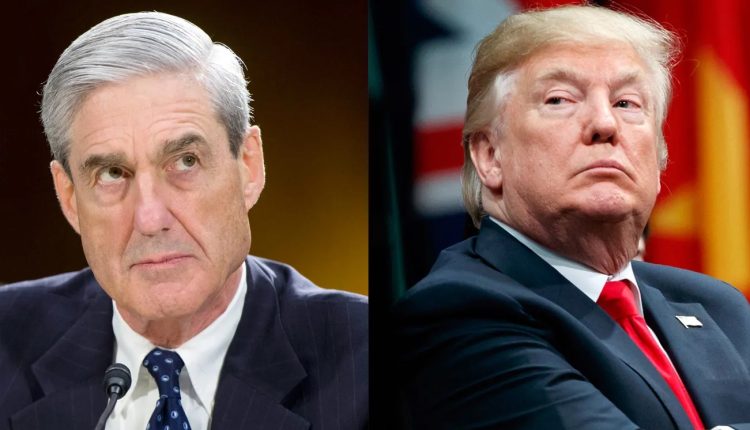
When news emerged that Robert Mueller had died, President Donald Trump reportedly responded with a blunt and chilling remark: “Good, I’m glad.” Even for a figure known for his combative rhetoric, the comment landed with a thud. It was not merely political. It was something more basic—a breach of decency.
This is not an isolated episode. Trump’s public language has long tested the boundaries of what Americans expect from their leaders. When the late Senator John McCain died in 2018, Trump declined to issue a full-throated tribute and had previously mocked McCain’s war record, saying he preferred “people who weren’t captured.” The remark was widely condemned not simply as political criticism, but as an affront to the shared respect traditionally afforded to those who endured the horrors of war.
Even more troubling have been reports and statements concerning fallen soldiers. Accounts published in outlets like The Atlantic described Trump referring to Americans who died in combat as “losers” and “suckers”—allegations he has denied, but which nonetheless struck a nerve because they seemed consistent with a broader pattern: a willingness to diminish sacrifice when it does not serve a personal narrative.
What ties these moments together is not ideology, but tone—a coarsening of public discourse that reduces opponents and even national heroes to objects of scorn. American presidents have disagreed bitterly with their rivals before. Richard Nixon had an enemies list. Lyndon B. Johnson could be ruthless in private. Yet in public moments of death or national mourning, they generally understood the obligation to rise above personal grievance.
There is a reason for that restraint. The presidency is not a talk show or a campaign rally; it is an institution meant to unify, or at least to steady, a divided country. When a president speaks with cruelty about the dead, it sends a message that empathy is optional, that magnanimity is weakness, and that the basic courtesies of civic life are expendable.
Supporters may argue that Trump’s bluntness is authenticity—that he says what others only think. But leadership is not a mirror of our worst impulses. Ideally, it is a check on them. The ability to show grace toward an adversary, especially in death, is not hypocrisy. It is civility.
In the end, this is not about one man’s style. It is about standards. A nation that shrugs at this kind of rhetoric risks normalizing it—not just in politics, but in everyday life. If the measure of a society is how it treats its enemies and honors its dead, then the bar has been set dangerously low.
The presidency demands many things—judgment, resilience, strength. But it also demands something simpler and rarer: class. And when that is missing, it is not just a personal failing. It is a national one.
