
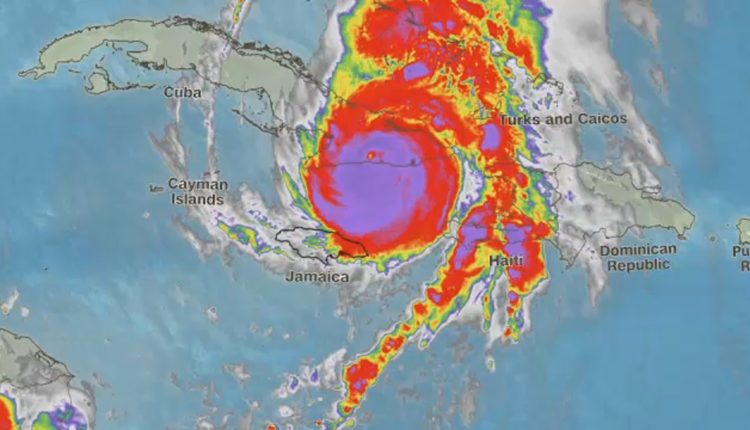
Melissa strikes eastern Cuba
Melissa may serve as yet another reminder that island nations face significant costs from a climate change curve they did little to cause.
Hurricane Melissa made landfall in eastern Cuba early on October 29, 2025, with a ferocity that alarmed even seasoned meteorologists and emergency managers. Having already ravaged Jamaica as a Category 5 hurricane, Melissa made landfall in Cuba as a strong Category 3 (and briefly Category 2) storm, unleashing destructive winds, torrential rain, and a storm surge that battered the island’s southeastern coast.
Eye of the storm
According to the National Hurricane Center, Melissa’s sustained winds reached about 120 mph (195 km/h) as it made landfall near the Guamá region, just west of Santiago de Cuba, in the island’s southeastern mountainous area. Authorities evacuated over 730,000 people from the provinces of Granma, Santiago de Cuba, Guantánamo, and Holguín before the storm’s arrival.
In messages to the nation, President Miguel Díaz‑Canel warned of “significant damage” and urged Cubans to take the warnings seriously. The consequences began to unfold almost immediately: heavy flooding in low-lying towns, landslides on the Sierra Maestra slopes, and homes collapsing under the relentless torrent.
![]() The damage and human toll
The damage and human toll
 The damage and human toll
Although detailed assessments are still emerging, the destruction is clear. In Granma province alone, areas like Jiguaní received fifteen inches (40 cm) or more of rain, causing rivers to overflow and flooding entire communities. Storm surges of up to 12 feet (3.6 m) were reported along the southern coast; heavy winds tore off roofs from buildings, and power lines collapsed en masse—exacerbated by Cuba’s already fragile electrical grid.
While official casualty figures in Cuba are still being compiled, regional reports indicate that some lives were lost in the broader Caribbean impact of Melissa—25+ deaths in Haiti, with additional casualties in Jamaica and the Dominican Republic—so Cuban numbers are expected to rise as remote areas are reached. For Cuba, the storm comes at a particularly inopportune time: economic hardship, fuel and food shortages, and long-standing infrastructure vulnerabilities all exacerbate the potential for long-term consequences.
After the wind, the recovery challenge
As the winds subsided and the rain cleared, Cuba rapidly moved into response mode. Two thousand five hundred electric line crews were mobilized to restore power, especially in the hardest-hit eastern provinces. Meanwhile, international humanitarian agencies such as UNICEF reported deploying roofing sheets, waterproof blankets, and children’s kits in anticipation of the post-storm recovery.
However, the scope of the task ahead is daunting. Much of the damage is in rural mountain communities, where roads might be blocked and communications lost. Crops could be destroyed, houses made uninhabitable, or destroyed, and the ripple effects on tourism, jobs, and daily life will likely last for months. The storm surge and flooding might also leave behind waterborne diseases, contaminated wells, and long-term erosion of coastal land.
A stark reminder of a changing climate
Meteorologists are monitoring closely: Melissa’s strength—one of the most powerful Atlantic landfalls in recent memory—highlights what many scientists describe as a growing pattern of hurricanes that grow stronger faster and hit harder, due to warmer seas and shifting atmospheric dynamics. For Cuba and its Caribbean neighbors, the message is clear: resilience is no longer optional—it must be immediate and robust.
Looking ahead
The immediate focus will be on search, rescue, sheltering the displaced, and clearing debris. However, in the coming weeks, Cuba will face deeper questions about rebuilding—such as how to strengthen infrastructure, diversify energy sources, improve evacuation plans, and safeguard vulnerable coastal zones. For the global community, Melissa may serve as yet another reminder that island nations face significant costs from a climate change curve they did little to cause.
In Cuba’s eastern provinces, families alike will sift through the wreckage, rebuild what they can, and wait for the full story of Melissa’s impact to unfold. And when the dust settles, the hurricane season may be over—but the consequences will last much longer.
