
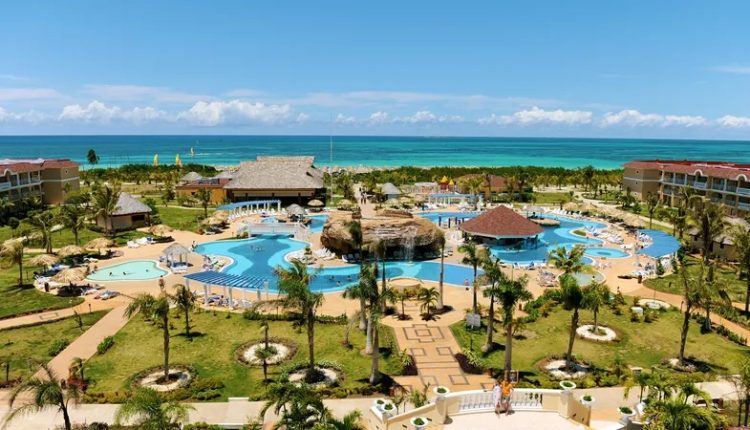
 Laguna Azul Resort in Varadero.
Foreign hotel chains to lease Cuban-owned properties
The government has approved a new policy that allows international hotel chains to lease—not just operate—state-owned hotels.
In a surprising move for one of the world’s most heavily controlled economies, Cuba is making a bold effort to attract foreign investment into its struggling tourism industry. The government has approved a new policy that allows international hotel chains to lease—not just operate—state-owned hotels, marking a major shift from decades of strict central control.
The reform arrives during a period of severe economic hardship on the island, where inflation, fuel shortages, and decreasing foreign currency reserves have pushed the government to adopt more practical solutions. Tourism, which has long been a vital source of income for Cuba along with remittances and medical exports, has not yet recovered from the devastating impacts of the COVID-19 pandemic.
According to TourismReview News, the first hotel to operate under this new model will be the Iberostar Origin Laguna Azul in Varadero, one of Cuba’s most well-known beach resorts. Starting January 1, 2026, the Spanish hotel group Iberostar will not only manage but also rent and run the property directly, paving the way for a potential change in how foreign investors engage with Cuba’s tourism infrastructure.
A Strategic Gamble for a Troubled Economy
The policy shift is viewed as a test of economic flexibility within Cuba’s socialist system. For years, foreign hotel operators could only collaborate with state agencies—most notably the influential military-run conglomerate GAESA—under strict rules that controlled almost every operational aspect. Everything from staffing choices to menu planning required government approval, while wages were paid in local currency that has sharply lost value.
The new leasing system aims to eliminate bureaucratic hurdles. Under the plan introduced by Prime Minister Manuel Marrero, who previously served as Cuba’s tourism minister, foreign chains will gain unprecedented independence. They will be able to hire employees directly, pay in hard currency, and make independent operational decisions—all while the Cuban government maintains ownership of the physical assets.
Officials hope this reform will enhance service quality, boost visitor satisfaction, and regain the country’s competitive position in the Caribbean tourism market.
“This modernization provides the planning certainty and market-driven flexibility that we have long been seeking,” a representative for one of the participating hotel groups told Spanish news agency EFE.
“Cuba is not abandoning socialism—it’s learning how to adapt it.”
Testing a New Model
The leasing framework is being described as a “pilot program.” Each agreement will be negotiated individually rather than through a one-size-fits-all policy, reflecting Cuba’s cautious approach to reform. The early stages will likely determine whether the program expands to other tourist destinations across the island.
Reports suggest that talks are ongoing with Chinese investors about the Copacabana complex in Havana, indicating that Cuba is looking to expand its international partnerships. However, important financial details—such as lease rates and profit-sharing agreements—have not been made public.
What remains clear is that the Cuban government aims to find a balance: maintaining ideological control while adding enough market incentives to attract foreign investment.
Tourism’s Long Road to Recovery
Cuba’s tourism sector, once one of the Caribbean’s brightest, has been slow to recover. The country welcomed 4.7 million visitors in 2018, according to official data. That number dropped during the pandemic and has not yet rebounded—forecasts for 2025 indicate only about 1.8 million arrivals, down from 2024 figures and well below pre-pandemic levels.
Experts indicate that this slow recovery is caused by more than just global travel trends. Ongoing power outages, worsening infrastructure, and the lingering impact of U.S. sanctions have damaged Cuba’s reputation as a reliable destination. Furthermore, bureaucratic inefficiency and limited private enterprise have stifled innovation in tourism services.
By granting international operators more freedom, the government aims to overcome these internal obstacles without dismantling its socialist foundation.
Skepticism and Opportunity
Still, not everyone is convinced the reform will produce quick results. Analysts point out that Cuba has a history of trying economic openings, only to pull back when political concerns grow. “The question isn’t whether the reforms can succeed—it’s whether they’ll be allowed to continue once they do,” said one regional tourism expert.
The Caribbean market remains highly competitive. Nearby destinations like Cancún and Punta Cana have rebounded strongly, offering all-inclusive packages, reliable electricity, and fewer travel restrictions. For Cuba, attracting travelers in this environment will require more than just new management models—it will need consistent quality and trust in the visitor experience.
A Tentative Step Toward Change
Even so, the new leasing policy marks a significant shift in Cuba’s economic approach. It recognizes, at least partly, that the state cannot revive the tourism industry on its own. If the Iberostar pilot succeeds, it could serve as a model for broader hybrid reforms in sectors like agriculture or retail, where similar inefficiencies remain.
In the words of a European tourism expert familiar with the project, “Cuba is not abandoning socialism—it’s learning how to adapt it.”
For now, the world will be watching Varadero, where the first leased hotel serves as both a business experiment and a symbol of cautious optimism. If the model succeeds, Cuba might finally find a sustainable way to reconnect its revolutionary ideals with the needs of a globalized tourism industry.
