
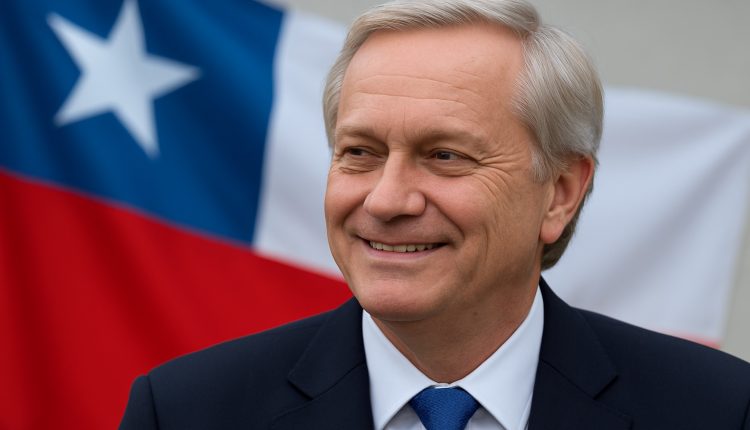
Chile’s dramatic shift right: Kast’s presidential victory
Kast’s rise is especially notable given Chile’s long-standing efforts to address the legacy of the Pinochet dictatorship.
Chile’s December 14 presidential runoff delivered one of the most significant political shift in the country’s recent history. Far-right candidate José Antonio Kast won with about 58% of the vote, defeating Jeanette Jara, the left-wing candidate supported by the center-left governing coalition, who received just under 42%. This represents Chile’s most decisive move to the right since the end of the Pinochet dictatorship in 1990.
A Long-Time Contender Finally Triumphant
Kast’s victory marked his third attempt at the presidency, following unsuccessful campaigns in 2017 and 2021. In the first round on November 1st, Jara narrowly led with 26.85%, while Kast received 23.93%. However, three other right-wing candidates — Franco Parisi, Johannes Kaiser, and Evelyn Matthei — finished close behind and all endorsed Kast for the runoff, strengthening the right-wing vote.
In the runoff, Kast’s support grew significantly. With over 99% of ballots counted, he secured 58.21% of the vote, winning all 16 regions and highlighting a widespread public desire for political change.
Voices from the Campaign and Election Night
In his victory speech, Kast emphasized a theme of national renewal, declaring: “We will work relentlessly to restore peace, order, growth, and hope. Chile will be free from crime again, free from anguish, free from fear.”
This rhetoric echoed the main themes of his campaign — public safety and strict immigration enforcement — issues that many Chileans identified as their top concerns heading into the election.
On the losing side, Jara also spoke to her supporters with a message that sought to bridge the bitter partisan divide:
“Democracy has spoken loud and clear… To those who supported us and were called upon by our candidacy, rest assured we will continue working to advance a better life in our homeland. Together and standing tall, as we always have.”
In a separate reflection on the result, Jara added: “Our democracy is strengthened when we respect the will of the citizenry… In defeat is where one learns the most.”
Outgoing President Gabriel Boric also acknowledged the transition, telling Kast: “I will always be available to collaborate for the homeland.”
The Return of the Political Pendulum
Chile’s political landscape has long shown a pattern where incumbent coalitions struggle to win immediate re-election. Since the transition from dictatorship to democracy, no ruling party has successfully secured back-to-back presidential terms, highlighting an electorate that tends to swing in search of solutions to urgent problems. This dynamic was evident in 2025, as voter dissatisfaction with crime, economic pressures, and migration concerns led a right-leaning candidate to win the presidency after a center-left government.
However, what sets this election apart is that it brought a far-right figure — one with a history of controversial statements and policy proposals — to the presidency for the first time in the democratic era. Kast’s rise is especially notable given Chile’s long-standing efforts to address the legacy of the Pinochet dictatorship.
Campaign Themes: Security, Migration, and Economic Change
Kast’s campaign centered on themes of law and order and immigration control. After years of growing concern over violent crime and the challenges of undocumented migration, his promise of an “emergency government” struck a chord with many voters who believed the government had lost control.
In campaign statements, he often described the outgoing administration as causing disorder.
“This government caused chaos, this government caused disorder, this government caused insecurity… We’re going to create order, security and trust.”
On economic issues, Kast has promised significant cuts in public spending while maintaining social programs — a pledge that economists have questioned as unfeasible without major restructuring.
Domestic and International Reactions
International reactions to Kast’s win have been mixed. U.S. political figures quickly offered congratulations, and Argentina’s far-right President Javier Milei also showed early support, indicating possible new alliances in Latin American diplomacy. Meanwhile, some observers worry that Chile’s foreign policy might shift closer to Washington, potentially at the cost of earlier regional cooperation.
Domestically, market reactions were immediately positive, with the peso strengthening and markets expecting a more business-friendly environment. However, analysts caution that Kast still faces significant hurdles: his Republican Party lacks a majority in Congress, which could complicate his ability to pass major reforms without coalition building.
A Turning Point for Chile and South America
Kast’s election reflects a broader shift to the right in parts of Latin America, following recent wins by conservative leaders in countries like Ecuador and Argentina. At the same time, other nations keep center-left or mixed governments.
Chile’s voters have spoken—delivering a mandate for conservative change. How President-elect Kast converts campaign rhetoric into policy will influence Chile’s political and policy path over the next four years. With deep polarization and urgent challenges ahead, the country stands at a crossroads amid regional realignment and domestic adjustments.
