
Cuba…; a blow to Canada; a threat to Mexico?
It appeared that the room for further economic aggression against the island was already very limited, but the White House managed to identify three new targets.
Marco Rubio came out of a meeting at the Vatican with Pope Leo XIV, where they discussed “issues of common interest in the Western Hemisphere,” among other topics. Hours later, the State Department announced the debut of the Secretary of State and National Security Advisor as the czar of sanctions against Cuba.
The initial penalty under the new Presidential Executive Order 14404, issued on May 1, targeted the Cuban military conglomerate Grupo de Administración Empresarial S.A. (GAESA) and its president, General Ania Guillermina Lastres Morera. But it also delivered an unprecedented blow to Canadian interests on the island, just as negotiations over the North American trade agreement are about to begin.
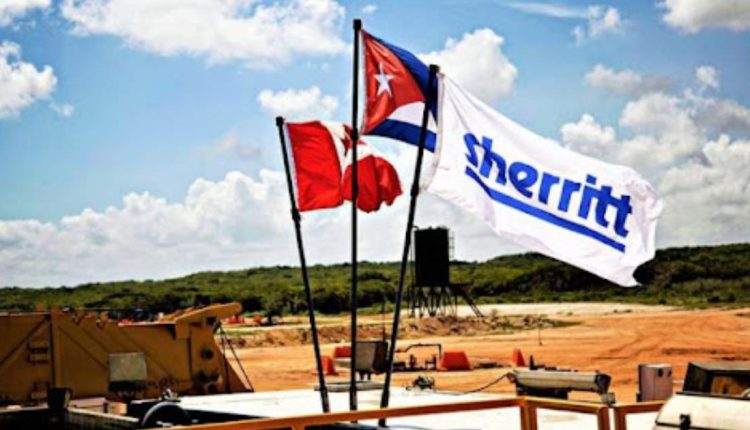
Even before the sanction was made public, the mining company Sherritt had anticipated the catastrophe approaching. While Rubio was still walking through Vatican corridors, the company announced its definitive withdrawal from Cuba and the resignation of three of its executives.
Sherritt has not been officially designated under the Executive Order. However, such a designation could happen at any time, the company said in a statement, almost simultaneously with the retaliatory action.
“The Executive Order creates conditions that significantly change the corporation’s ability to operate under normal circumstances,” it added.
Until last month, it appeared that the room for further economic aggression against the island was already very limited, but the White House managed to identify three new targets.
First, the new Executive Order gives Rubio extensive decision-making authority. In consultation with Treasury Secretary Scott Bessent, he will determine which foreign individuals will be sanctioned by freezing their assets in the United States for doing business with Cuba.
The asset freeze will impact those who operate or have operated in certain sectors such as energy, defense, mining, financial services, or any other part of the Cuban economy. The list of potential targets nearly has no limit. The Executive Order, the related regulations from the Treasury’s Office of Foreign Assets Control (OFAC), and now Rubio’s decisions create a maze of ambiguities that allow for many different interpretations.
Second, the Executive Order issues a strong threat of punishment against banks that have conducted “significant transactions” for those who are sanctioned (currently, GAESA, Sherritt, and their Cuban partners). Despite nearly seven decades of regulations, there has never been such a disproportionate attack on the financial operations of third countries in Cuba.
Third, with no clear limits on reprisals, the United States aims to suffocate Cuba’s already constrained ties to the Western economy. It is encouraging the island to become more dependent on support from Russia and China—exactly the opposite of the goals outlined in the proclaimed “Donroe Doctrine.”
Sherritt’s departure leaves a gap in nickel and cobalt production—benefiting the Canadian province of Alberta—which the company had sustained in eastern Cuba since 1990 and was one of the island’s remaining reliable sources of foreign revenue.
Sherritt will also withdraw from its joint ventures with Cuban companies for oil extraction in northern fields and the operation of a combined-cycle power plant—both essential for electricity generation.
The State Department’s action indicates additional retaliation, with potentially wide-ranging effects. In Sherritt’s case, the threat alone was sufficient. How many companies across various sectors are now reevaluating their presence on the island?
A combination of the new regulations might even classify Mexico’s recent oil sales to Cuba as a punishable activity—posing a potential threat to the Deer Park refinery. Could this be another “silver bullet” aimed at President Sheinbaum?
