
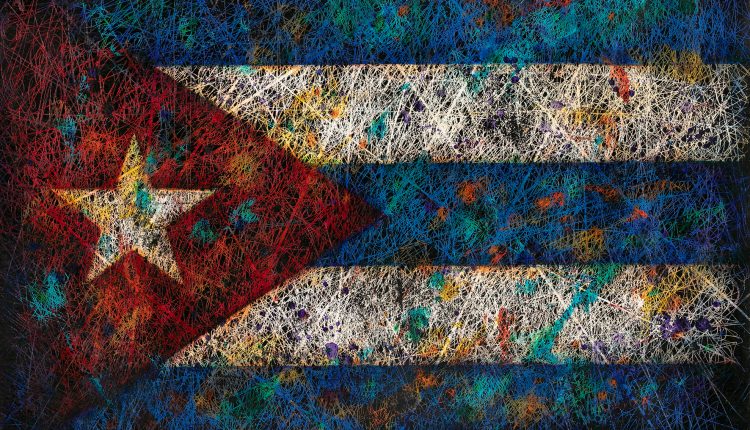
79% of Miami Cubans support U.S. military intervention in Cuba: shameful
The calls for U.S. military intervention echo the logic of the Platt Amendment: that Cuba’s destiny must once again be shaped from Washington, not Havana.
A recent poll conducted for the Miami Herald by Bendixen & Amandi International and The Tarrance Group reveals something both striking and deeply unsettling: 79% of Cubans and Cuban Americans in South Florida support a U.S. military intervention in Cuba. Even more telling, large majorities reject negotiations that might improve the lives of people on the island if those negotiations fall short of full regime change.
Let’s be clear about what that means. It means that from the safety of Miami, from comfortable homes and stable lives far removed from scarcity, many are willing to endorse a course of action that would almost certainly bring bloodshed to the very island they claim to care about. War is not an abstraction. It is not a slogan. It is not a policy lever. It is destruction—of infrastructure, of families, of young lives, many of them conscripts with no say in the system they serve.
And yet, according to this poll, that reality is not enough to temper the enthusiasm.
The contradiction is hard to ignore. Many respondents acknowledge that “the ones who will die are the young people,” as one participant put it. Others admit they “would not want to see bloodshed.” But these moral hesitations collapse under the weight of a single demand: regime change, at any cost, delivered not by Cubans themselves, but by the United States military.
There is something profoundly troubling in that posture. It is one thing to oppose a government, even passionately. It is another to outsource the violent resolution of that opposition to a foreign power—especially one with a long and complicated history of intervention in Cuba and Latin America. The willingness to call for war, while remaining personally untouched by its consequences, raises uncomfortable questions about responsibility and courage.
History offers a mirror here, and it is not a flattering one.
More than a century ago, Cuba emerged from Spanish colonial rule only to accept the Platt Amendment, which granted the United States the right to intervene in Cuban affairs. It was justified at the time as a necessary step toward stability and progress. In reality, it compromised Cuban sovereignty and tethered the island’s future to external control.
Today’s calls for U.S. military intervention echo that same logic: that Cuba’s destiny must once again be shaped from Washington, not Havana. The parallels are hard to ignore. Then, as now, there were those willing to accept—if not welcome—foreign intervention as a shortcut to political ends.
What should we call that mindset?
At best, it is a form of political impatience, a refusal to accept the slow, uncertain, and often frustrating work of internal change. At worst, it veers into something more troubling: a blend of opportunism and detachment, where the costs of action are borne entirely by others. When you advocate for war that you will not fight, against a country where you no longer live, affecting people who cannot vote in your polls, the moral calculus becomes difficult to defend.
The poll contains other revealing details. A large number of respondents no longer send money or aid to relatives on the island. Many have not visited in years. A majority would not return to live there even under improved conditions. The physical, economic, and emotional distance is growing. And yet, the appetite for decisive, even extreme measures remains strong.
Distance, it seems, can harden positions rather than soften them.
None of this is to deny the reality of suffering in Cuba or the deep frustrations with its government. Those are real and deserve attention. But there is a difference between solidarity and sacrifice—especially when the sacrifice is expected of others.
If the goal is a better future for Cuba, it is worth asking whether that future can truly be built on the ruins of a foreign-imposed war. And whether those cheering from afar are prepared to reckon with the consequences, not just in theory, but in human lives.
The poll, as reported by the Miami Herald and conducted by Bendixen & Amandi International and The Tarrance Group, offers a snapshot of opinion. But it also exposes a deeper divide—between those who would live the consequences of war, and those who would merely endorse it.
That divide deserves more scrutiny than it is getting.
