
Cuba’s economic spiral deepens: 5 years of decline and no relief in sight
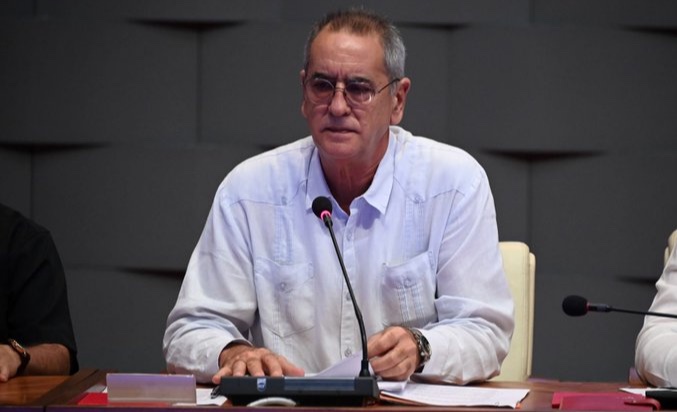
In a sobering address to the nation’s parliament this week, Economy Minister Joaquín Alonso painted a bleak picture of a country in crisis.
Cuba’s economic woes continue to deepen, marking five consecutive years of decline, with little hope for recovery in the near future. In a sobering address to the nation’s parliament this week, Economy Minister Joaquín Alonso painted a bleak picture of a country in crisis.
According to official Cuban media, the island’s economy contracted by another 1.1% in 2023, compounding the nearly 10% drop it has experienced since 2019. For a country already grappling with shortages and deteriorating infrastructure, the announcement came as confirmation of what most Cubans experience daily: the crisis is not only persistent—it’s worsening.
No Rebound in Sight
Minister Alonso did not sugarcoat the situation. Speaking before the parliament’s economic commission, he acknowledged the heavy toll of escalating U.S. sanctions, as well as global instability, both of which continue to choke off Cuba’s access to foreign currency and international financial markets.
“We are navigating extremely adverse conditions,” Alonso said, citing “the intensified impact of the blockade, the fierce persecution of financial flows, and barriers to international transactions that have hindered payments to suppliers.”
This financial suffocation has caused the country’s foreign currency income to plunge by approximately 30% in recent years, leading to severe shortages of essential goods—food, fuel, medicine, and raw materials for farming and manufacturing among them.
A Nation Running on Empty
Perhaps nowhere is Cuba’s crisis more visible than in its crippled energy grid. Fuel and parts shortages have sparked daily blackouts, often lasting up to 16 hours or more. The power outages are not just an inconvenience—they are grinding productivity to a halt and deepening public frustration.
The numbers tell the story: agricultural output, livestock, and mining have declined by a staggering 53.4% over the past five years. Meanwhile, manufacturing output has dropped 23%. These sectors, once vital to the island’s economic lifeline, have been brought to the brink.
And the situation isn’t improving. So far this year, Alonso reported, Cuba’s hard currency earnings are already 9% lower than the same period in 2023, while imports are up 7%—a troubling imbalance that is adding to the country’s mounting debt.
Mounting Debt, Shrinking Options
The Cuban government has not updated its foreign debt figures since 2020, when it stood at $19.7 billion. But with the nation importing more than it exports and facing a stagnant tourism sector, the debt burden is only growing heavier.
Cuba’s dependency on imports—without the means to pay for them—has created a vicious cycle. And without access to international credit or a major rebound in exports, experts warn the crisis could further deteriorate.
For now, Cubans continue to face the daily grind of scarcity, blackouts, and inflation, with no clear path out of the current economic morass.
Conclusion
Five years into a deep economic crisis, Cuba finds itself at a crossroads—with few options, limited support, and growing urgency. As 2025 unfolds, all eyes are on Havana’s next move—but even the country’s top officials admit: recovery is nowhere in sight.
